
Scotland's Long History of Making, and Where Label Home Fits In
Glasgow wasn't built on ideas. It was built on iron, timber, and hands that knew what to do with both. Long before "handmade" became a label worth putting on a website, Scotland was already one of the places in the world where making things properly was just how things were done.
A city built by hand
Through the 19th and into the 20th century, Glasgow was one of the great industrial cities of the world — shipbuilding on the Clyde, engineering works, ironfoundries, structural fabrication on a scale that shaped ports and railways across the globe. That's not a disconnected piece of history from what happens in a small Glasgow workshop today. The scaffold board and cast iron fittings that go into a Label Home piece are, quite literally, descendants of that industrial base — the raw material of a city that once built infrastructure for an empire, now being turned into something for a hallway or a living room.

The Clyde
Mackintosh and the Glasgow Style
Scotland's biggest single contribution to design history probably belongs to Charles Rennie Mackintosh and the wider Glasgow Style movement of the 1890s and 1900s — architecture, furniture, ironwork, and textiles built around clean form and honest material rather than decoration for its own sake. It grew out of the same broader instinct as the Arts and Crafts movement: that handmade, material-honest work mattered more than what a factory could turn out faster and cheaper. That's not a modern idea. Scotland was arguing this case well over a century ago.
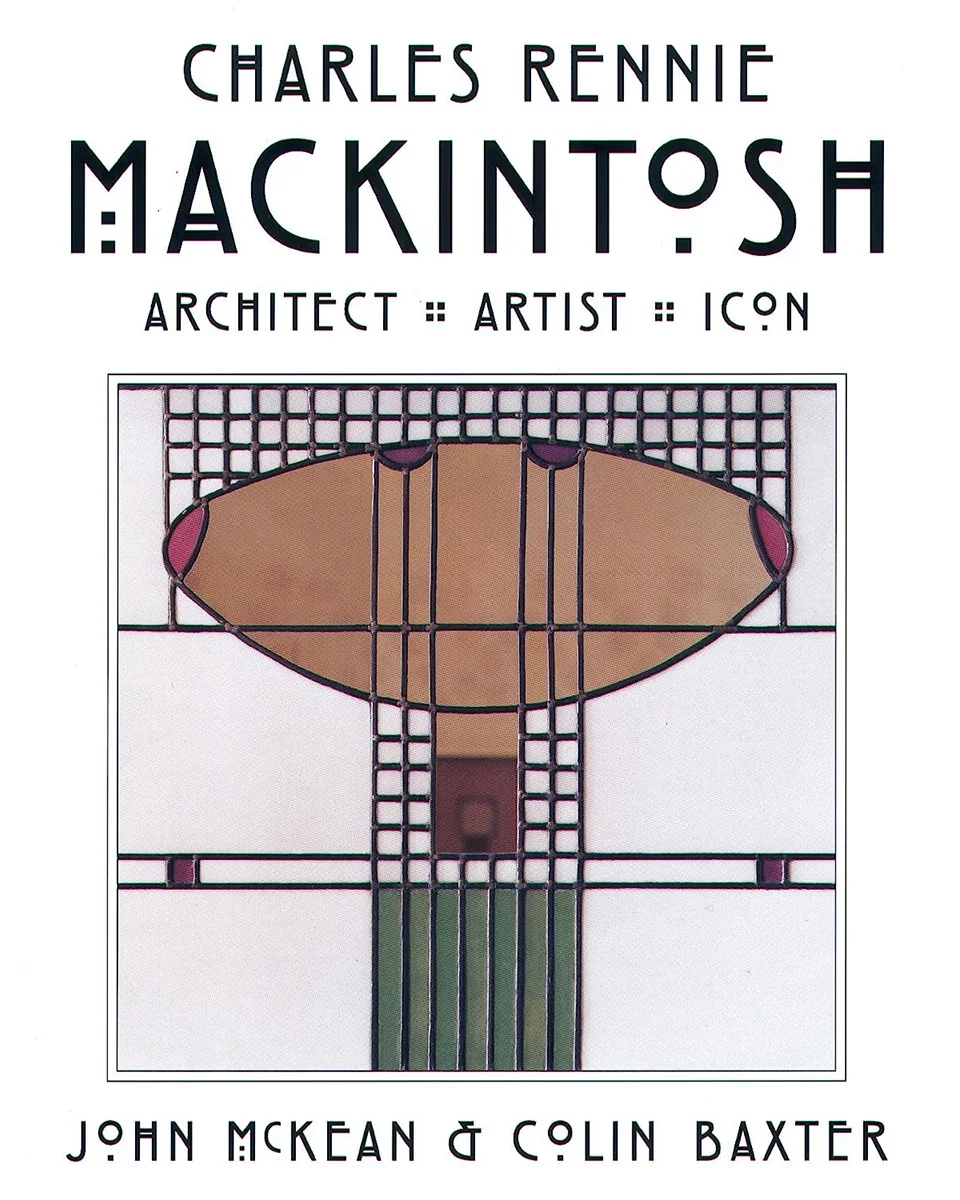
Charles Rennie Mackintosh
A textile with its own act of parliament
Harris Tweed is the clearest example anywhere in the UK of how seriously Scotland has taken protecting genuine craft. The cloth is protected by its own Act of Parliament — the Harris Tweed Act 1993, the only textile in the world with that distinction. The law requires it to be handwoven by islanders in their own homes in the Outer Hebrides, with every stage from dyeing to weaving carried out on the islands themselves. It's a striking thing to sit with: an entire industry decided that a handmade process was worth defending in law, rather than letting it get diluted or moved somewhere cheaper.
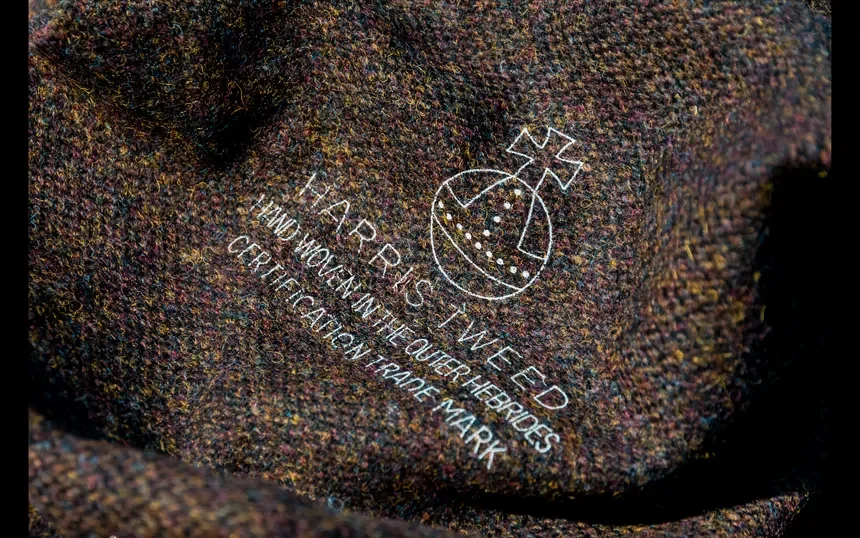
Metal, stone, and a tradition that never really stopped
Blacksmithing has deep roots across Scotland, tied historically to agricultural tools and later to architectural ironwork — gates, railings, fittings, the kind of practical metalwork that was never meant to be decorative first and functional second. Stonemasonry has a similarly unbroken thread, given how much of Scotland's building stock is still literally built from stone that someone shaped by hand. Neither of these is a revival. They're trades that simply never fully industrialised out of existence.
The throughline
What ties Mackintosh, Harris Tweed, and a Glasgow ironworks together isn't nostalgia. It's a consistent set of values that Scotland's maker tradition keeps returning to: material honesty over decoration, durability over disposability, and a belief that who made something — and how — actually matters.
That's the tradition Label Home is trying to sit inside, in a small way. Reclaimed scaffold board and cast iron aren't a design trend here — they're a continuation of the same instinct that's shaped Scottish making for well over a century: use what's genuinely there, make it properly, and build something that's meant to last rather than be replaced.
Label Home makes handmade vintage-industrial pieces in Glasgow, working with reclaimed scaffold board, cast iron, and salvaged materials. Browse the collection.